
What Are the Best Sardines in Olive Oil for Global Buyers?
Choosing the best sardines in olive oil requires more than attractive packaging or a familiar country name. Global buyers must examine species, catch area, harvest season, oil quality, and processing methods. A small tin can reveal much: firm fillets, clean aroma, silver skin, and olive oil that stays bright rather than greasy. These details matter to importers, retailers, chefs, and households seeking dependable quality.
This guide compares sardine products through practical purchasing criteria. It considers ingredient lists, fish size, texture, salt levels, tin protection, drainage weight, and traceability documents. Reliable suppliers should provide batch information, origin records, food safety certifications, and independent laboratory results when requested. Olive oil also deserves careful attention. Extra virgin oil may offer stronger flavor, while refined or blended oils can create a milder profile. Neither choice is automatically ideal for every market.
Taste remains personal. Regional preferences can change the final decision. Price, shelf life, shipping conditions, and retail expectations also influence value. No ranking is perfect. Packaging claims need verification, especially when wording sounds impressive but remains vague. Buyers should sample several tins, inspect the fish after chilling, and compare aroma, firmness, and oil clarity. This approach supports more confident sourcing decisions and helps identify the best sardines in olive oil for different global markets. Some results may surprise you. That is worth considering.
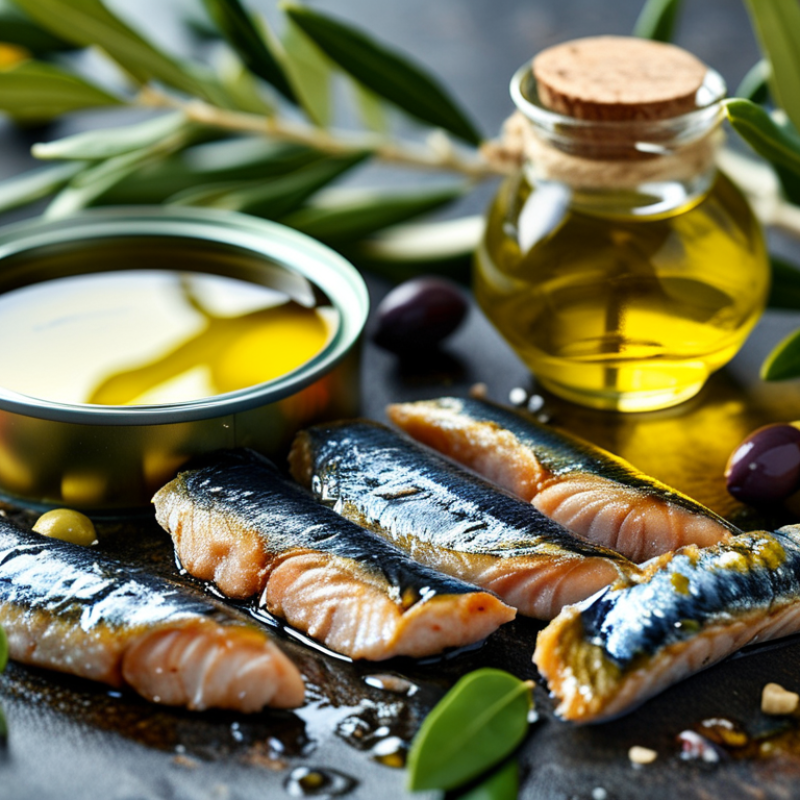
Define Sardines in Olive Oil by Species, Size, Origin, and FAO Trade Codes
The best sardines in olive oil are not defined by one universal standard. Buyers should identify the species first. Sardina pilchardus is common in European fisheries, while Sardinops sagax appears widely in Pacific supply chains. Sardinella species may also enter the market, although their texture and flavor can differ. A silver, firm fillet is useful evidence, but appearance alone proves little.
Size matters during purchasing. Small sardines usually offer delicate bones and a softer bite. Larger fish provide thicker fillets and stronger flavor. Ask for the declared size range, drained weight, harvest season, and fishing area. The packing country is not always the fishing origin. That distinction is easy to miss.
Tips: Compare the scientific name with the FAO ASFIS three-letter species code. For example, Sardina pilchardus is commonly associated with PIL. Do not confuse this identifier with a customs tariff code. Prepared sardines may fall under HS 160413, but national customs schedules can add detail. Request both codes on commercial documents when possible. Also check the oil statement, lot number, can integrity, and traceability record. A “premium” claim is weak without evidence. I would also question unusually cheap large fish. The explanation may be innocent, but it deserves checking.
Compare Fishing Grounds Using FAO Catch Statistics and MSC Certification Data
For global buyers, fishing ground matters more than a picturesque label. FAO FishStat data show that sardine catches are reported by species and statistical area, not as one clean global category. The 2022 FAO capture database recorded nearly 80 million tonnes of marine wild catch, while sardine figures remained divided among Sardina, Sardinops, and related small pelagics. This makes direct comparisons imperfect. Still, Northwest African waters, the Mediterranean, and the Pacific support important sardine fisheries with different seasonal profiles.
Check the landing area, fishing year, and scientific name. Look for chilled fish, firm bodies, and clear silver skin before canning. Cold-chain discipline leaves fewer soft flakes in the tin. FAO catch statistics can reveal pressure trends, but they do not prove superior flavor or olive-oil quality. That distinction is often missed.
MSC certification adds a useful filter. Its certified-fishery records assess stock health, ecosystem impacts, and management systems, rather than taste. MSC’s 2024 annual reporting described certified fisheries across more than 60 countries, but certification coverage differs sharply by species and region. A certified sardine fishery may offer stronger traceability and documented controls. It does not automatically mean richer flavor. Review the certificate scope carefully. Some records cover only a stock, gear type, or vessel group. A practical shortlist combines FAO landings, MSC status, harvest season, and independent laboratory checks for freshness and contaminants. My own buying rule is cautious: compare two origins side by side, because statistics can guide the purchase, but they cannot replace the tin.
Assess Olive Oil Quality with IOC Acidity Limits and Codex Standards
What Are the Best Sardines in Olive Oil for Global Buyers?
For global buyers, sardine quality starts with the oil, not only the fish. Olive oil should protect firm fillets, clean aroma, and a mild finish. Check the oil category carefully. “Olive oil” may differ greatly from extra virgin olive oil in freshness and sensory quality.
The International Olive Council sets free acidity for extra virgin olive oil at no more than 0.8%, expressed as oleic acid. Virgin olive oil allows up to 2.0%. Codex Alimentarius Standard CXS 33-1981 follows the same key thresholds for these categories. Lower acidity does not prove excellent taste, but higher acidity can signal poor fruit quality, handling, or storage. The IOC also sets a peroxide value limit of 20 milliequivalents of active oxygen per kilogram for extra virgin olive oil. This helps buyers screen early oxidation. It is not a complete answer.
Tips: Request a recent certificate of analysis. Review acidity, peroxide value, and sensory results together. Inspect the can for dents, leaks, and excessive headspace. Dark packaging usually offers better light protection. Store samples away from heat before tasting.
I have found that a clean, grassy aroma and balanced saltiness often matter more than acidity alone. Still, taste can change after long shipping. That detail is easy to underestimate. Use IOC standards, Codex requirements, harvest information, and independent laboratory reports before approving volume purchases. Sources: International Olive Council, Trade Standard COI/T.15/NC No. 3; Codex Alimentarius, CXS 33-1981.
Verify Nutrition and Safety Through FDA Mercury Guidance and Omega-3 Data
What Are the Best Sardines in Olive Oil for Global Buyers?
For global buyers, sardines in olive oil should be judged by verified nutrition and safety data. The FDA and EPA list sardines among lower-mercury “Best Choices.” Current guidance recommends checking serving limits, especially for pregnant people and children. A typical adult serving is about four ounces, but local advice may differ.
Read the nutrition panel carefully. Look for EPA and DHA amounts, not only “omega-3” claims. Values can vary by species, season, processing, and serving size. Olive oil improves texture and flavor, but it does not automatically increase marine omega-3 content. Compare drained weight, sodium, calories, and saturated fat. High sodium can hide behind a healthy-sounding label.
Check the can, too. It should be intact, with no swelling, leakage, deep rust, or damaged seams. Traceable harvest details and a clear production code strengthen supplier reliability. Yet labels are not perfect. Some products list total fish oil without separating EPA and DHA. That weakens comparison. Independent laboratory testing offers stronger evidence, particularly for mercury, oxidation, and microbiological controls. Recheck FDA guidance before importing, because recommendations and market requirements can change. Fresh smell matters. But taste alone cannot prove safety.
What Are the Best Sardines in Olive Oil for Global Buyers? — Nutrition and Safety Reference
| Evaluation Dimension | Reference Data or Benchmark | What Global Buyers Should Verify | Buyer Interpretation |
|---|---|---|---|
| FDA mercury category | Sardines are listed by the U.S. FDA/EPA as a “Best Choice” fish because they are generally low in mercury. | Confirm the species, fishing area, catch documentation, and any destination-market contaminant testing. | Sardines are normally a strong option for low-mercury seafood portfolios, but species and origin should still be traceable. |
| FDA consumption guidance | The FDA/EPA advice places sardines in the group suitable for 2–3 servings per week for adults, with a typical adult serving of about 4 oz (113 g). | Use the relevant local dietary guidance when selling outside the United States and provide serving information on the label. | A convenient format for regular seafood consumption, subject to sodium, allergy, and individual dietary considerations. |
| Calories | Approximately 208 kcal per 100 g of drained canned sardines in oil, based on USDA FoodData Central reference data. | Check the declared drained weight, oil quantity, preparation method, and local nutrition-labelling rules. | Energy values can vary considerably depending on the amount of retained olive oil. |
| Protein | Approximately 24.6 g per 100 g drained product. | Request a product specification or laboratory certificate when making a protein claim. | A high-protein seafood choice suitable for nutrition-focused retail and food-service channels. |
| Total fat | Approximately 11.5 g per 100 g drained product in the USDA canned-in-oil reference entry. | Verify whether the nutrition panel is calculated on the drained fish, the entire contents, or both. | Olive oil contributes to total fat and calories; the oil should be clearly identified in the ingredient declaration. |
| Omega-3 EPA + DHA | A USDA reference entry for canned sardines in oil provides approximately 0.98 g EPA+DHA per 100 g drained fish; actual values vary by species, season, origin, and processing. | Ask for a current laboratory fatty-acid analysis if an exact EPA/DHA claim is required. | Strong omega-3 potential, but generic “rich in omega-3” wording should not replace product-specific testing. |
| Calcium | Sardines packed with edible bones are a recognized calcium source; the amount depends on bone retention and serving size. | Verify whether bones are intentionally retained and confirm calcium content through the nutrition panel or laboratory report. | Bone-in products may offer a nutritional advantage over boneless products. |
| Sodium | Approximately 300 mg per 100 g is a useful reference point for canned sardines, although brine, salt level, and processing can change the result substantially. | Compare sodium per 100 g and per serving; request a specification for reduced-sodium or no-added-salt products. | Lower-sodium formulations may be preferable for health-oriented markets. |
| Olive-oil ingredient quality | The label should identify the oil used and list all ingredients in descending order by weight, subject to the importing market’s rules. | Check oil type, origin statement, allergen controls, oxidation indicators, and whether the product uses extra-virgin, virgin, refined, or blended olive oil. | Clear oil disclosure improves comparability and reduces the risk of misleading “olive oil” positioning. |
| Species and geographic traceability | Common commercial sardine species include Sardina pilchardus, Sardinops sagax, Sardinops melanostictus, and Sardinops caeruleus. | Verify the scientific name, catch area, landing date or season where available, and chain-of-custody records. | Species and origin support consistent nutrition, flavor, size, and regulatory documentation. |
| Food-safety controls | Commercially canned seafood should be produced under validated thermal-processing controls designed to achieve commercial sterility. | Request HACCP documentation, process records, lot coding, recall procedures, and certificates required by the destination market. | Do not purchase solely on nutrition claims; validated canning and traceability are essential. |
| Container integrity | Cans should be free from swelling, leaking, severe rust, deep dents affecting seams, and compromised closures. | Inspect packaging specifications, seam controls, best-before coding, storage conditions, and shipping-abuse tolerance. | Packaging integrity is a basic release criterion for every market. |
| Best overall buying profile | Low-mercury sardines with documented species and origin, approximately 0.98 g EPA+DHA per 100 g as a reference target, transparent olive-oil labelling, and validated canning controls. | Evaluate the complete technical file rather than relying on a single nutrition or sustainability claim. | The strongest global-buying option combines low mercury, meaningful EPA/DHA, acceptable sodium, clear labelling, and verifiable food safety. |
Rank Suppliers by UN Comtrade Values, BRCGS Certification, and MOQ Terms
What Are the Best Sardines in Olive Oil for Global Buyers?
A practical ranking should begin with UN Comtrade export values for preserved sardines and related fish products. Use the latest complete year, then compare three-year trends. High trade value suggests supply capacity, but it does not prove consistent quality or factory reliability. Data can mislead. Product classifications may include different pack sizes, oil blends, or species. I would treat Comtrade figures as a market filter, not a final supplier score.
Next, verify BRCGS certification directly through the certificate, site address, scope, and expiry date. A strong supplier should cover fish processing, canning, and storage activities relevant to your order. Check audit status carefully. One certificate may not cover every production site. Request recent audit findings, traceability procedures, allergen controls, and batch records. A clean document is useful, but an observed production line tells more.
MOQ terms can separate a promising supplier from an impractical one. Rank suppliers higher when they offer flexible quantities without weakening specifications. For example, compare one mixed pallet of 24 x 120g tins with a full-container requirement. Ask about carton dimensions, private-label plate charges, lead time, and payment milestones. Confirm whether olive oil, tin size, language labels, and case counts affect MOQ. Terms matter. I would also order samples from at least two ranked suppliers, because texture, drained weight, oil clarity, and tin sealing can vary between production runs.
What Are the Best Sardines in Olive Oil for Global Buyers?
Country export benchmark ranked by UN Comtrade trade value, with BRCGS certification and MOQ treated as supplier-level screening criteria.
Loading the latest available 2023 UN Comtrade values...
The chart uses HS 160413, “prepared or preserved sardines, sardinella and brisling or sprats,” and ranks selected exporting countries by reported 2023 export value in US dollars. BRCGS certification must be verified for the specific production site and product scope. MOQ is a commercial term that varies by packaging format, order volume, and destination, so it should be confirmed directly during supplier qualification.
Source: UN Comtrade API, HS 160413, annual exports, partner world, 2023.
Related Posts
-
Top 10 Tips for Cooking with Canned Salmon in 2026
-
How to Prepare Sardine Fish for Maximum Flavor and Health Benefits
-
2026 How to Use Canned Salmon in Creative Recipes and Meal Ideas?
-
Essential Tips for Sourcing Quality Canned Fish Globally
-
How to Prepare Sardine Fish for Grilling and Healthy Cooking Tips
-
Where to Buy Tinned Fish Online for Your Business Needs?
