How to Choose the Best Canned Salmon for Your Recipes and Nutrition Needs
When it comes to incorporating nutritious and delicious protein sources into your diet, canned salmon often emerges as a top contender. However, with numerous options flooding the market, knowing how to choose the best canned salmon can feel overwhelming. According to Dr. Emily Hart, a leading nutritionist specializing in seafood, "Selecting high-quality canned salmon is crucial not only for flavor but also for optimizing your health benefits." Her insights emphasize the importance of considering factors like sourcing, sustainability, and nutrition content when making your choice.
In this guide, we will explore the essential traits that characterize the best canned salmon available today. From wild-caught to farmed varieties, the nutritional profiles can differ significantly, impacting both your culinary creations and overall wellness. Understanding elements such as omega-3 fatty acids, additives, and canning methods can help you make an informed decision. By the end of this discussion, you will be equipped with the knowledge needed to select the best canned salmon that meets your recipes and nutrition needs, ensuring your meals are not only tasty but also health-conscious.

Understanding the Different Types of Canned Salmon Available
When choosing the best canned salmon, it's essential to understand the various types available on the market, as they differ significantly in flavor, texture, and nutritional value. The most common types of canned salmon include pink salmon, sockeye salmon, and coho salmon. Pink salmon is typically the most affordable option and has a mildly light flavor, making it a versatile choice for salads and sandwiches. It generally contains about 22 grams of protein and 1.5 grams of omega-3 fatty acids per 3-ounce serving, according to industry analyses.
In contrast, sockeye salmon is renowned for its rich flavor and vibrant color. It boasts a higher fat content, which contributes to its robust taste; a 3-ounce serving contains roughly 23 grams of protein and around 2,000 mg of omega-3 fatty acids. This makes sockeye a preferred choice for those looking to maximize their omega-3 intake for heart health, as studies have shown that omega-3s can significantly reduce the risk of cardiovascular diseases. Coho salmon offers a middle ground in terms of flavor and nutritional profile, featuring around 21 grams of protein and a moderate level of omega-3s, appealing to consumers who seek a balanced option without compromising on taste.
Choosing the right type of canned salmon can also impact your recipes and overall nutrition. Many health experts recommend incorporating a variety of these seafood options into your diet to ensure a well-rounded intake of nutrients. According to a report from the Seafood Nutrition Partnership, regular consumption of fatty fish, including canned varieties, is associated with better cognitive function and a lower risk of chronic diseases, making them a valuable addition to any health-conscious kitchen.
Evaluating Nutrition Facts: What to Look for on the Label
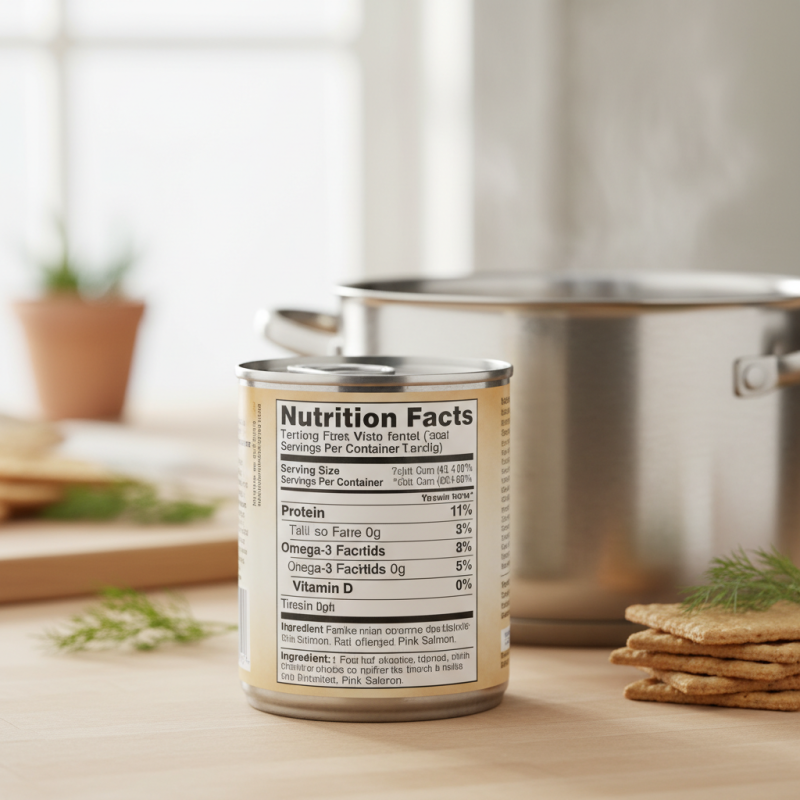
When evaluating canned salmon, the nutrition facts label is an essential tool for making an informed choice. First and foremost, check the serving size and the total number of servings in the can. This helps you understand the nutritional values in the context of your diet. Look for key nutrients, including protein, omega-3 fatty acids, and vitamin D, which are crucial for supporting overall health. A higher protein content is typically an indicator of a quality product, making it important to choose a salmon that provides a significant amount per serving.
Another critical aspect to consider is the sodium content. Some canned salmon varieties can be high in salt, which may not align with your dietary needs, especially if you're monitoring your sodium intake. Aim for products labeled as "low sodium" or "no salt added" if you're concerned about excessive sodium consumption. Additionally, pay attention to the type of salmon listed on the label; wild-caught salmon generally has a better nutritional profile compared to farmed options. Taking these factors into account will help you choose the best canned salmon that fits both your recipes and nutritional requirements effectively.
Assessing Flavor and Texture: Choosing Based on Recipes
When choosing the best canned salmon for your recipes, flavor and texture are crucial factors to consider, as they can significantly influence the overall quality of your dish. According to a report from the National Fisheries Institute, the flavor profile of canned salmon varies widely based on preparation methods and species. For instance, sockeye salmon is known for its robust flavor and firm texture, making it an excellent choice for recipes that require a bold taste, such as salmon patties or salads. In contrast, pink salmon offers a milder taste and softer texture, which may be better suited for lighter dishes like pasta or soups.
Texture is particularly important in recipes that require the salmon to be the star ingredient. A 2021 survey by the Food and Agriculture Organization found that consumers tend to prefer canned salmon with a flaky and tender texture. When evaluating canned salmon, look for options that have been packed with minimal processing to ensure the preservation of their natural texture. This preservation not only enhances the eating experience but also retains the essential nutrients, ensuring you meet your nutritional needs while enjoying your recipes. Selecting the right type of canned salmon based on flavor and texture will elevate your cooking, allowing you to create meals that are both satisfying and nutritious.
Sustainability and Sourcing: Selecting Eco-Friendly Options
When selecting canned salmon, sustainability and sourcing should be paramount for environmentally-conscious consumers. Overfishing remains a critical concern, with data from the Food and Agriculture Organization (FAO) indicating that 35% of the world’s fish stocks are overexploited or depleted. This highlights the importance of choosing salmon that is harvested sustainably, supporting practices that ensure fish populations can thrive and ecosystems remain balanced.
One effective way to ensure that the canned salmon you choose is eco-friendly is by looking for certifications from reputable organizations, such as the Marine Stewardship Council (MSC) or the Aquaculture Stewardship Council (ASC). According to a report from the Seafood Watch program, selecting seafood from certified sources can substantially reduce the risk of contributing to overfishing and environmental degradation. In addition, many brands are now investing in traceable supply chains, allowing consumers to see where their salmon comes from and how it was caught or farmed, ensuring responsible sourcing practices are upheld.
Moreover, supporting fisheries and farms that prioritize eco-friendly methods not only promotes sustainable practices but also addresses broader environmental challenges. For example, responsibly managed salmon fisheries can play a role in maintaining habitat quality, while sustainable aquaculture can minimize the impact on wild fish populations. With the global demand for seafood increasing, it’s crucial for consumers to make informed choices when selecting canned salmon, focusing on sustainability to safeguard ocean health for future generations.
Storage and Shelf Life: Ensuring Freshness and Safety
When it comes to canned salmon, understanding storage and shelf life is crucial for both maintaining its nutritional value and ensuring safety. Canned salmon can last for several years when stored properly, with a typical shelf life ranging from 3 to 5 years, according to industry guidelines. This longevity is primarily due to the canning process, which seals the fish in an airtight environment, preventing bacterial growth and spoilage. To ensure optimal freshness, store canned salmon in a cool, dry place away from direct sunlight. It’s essential to regularly check the expiration dates printed on the can, as consuming salmon beyond this date may compromise its quality and safety.
Once opened, canned salmon should be refrigerated and consumed within 3 to 4 days to minimize the risk of foodborne illnesses. Professional organizations like the USDA and the CDC emphasize the importance of proper handling and storage after the can is opened. When transferring leftover salmon to a different container, make sure it’s airtight to retain freshness. Additionally, note that if the salmon develops an off smell, changes in color, or shows signs of leaking or rusting, it’s best to err on the side of caution and discard it. By following these recommendations, you can enjoy canned salmon’s health benefits while ensuring that your food remains safe and delicious.