How to Choose the Best Freeze Dried Items for Your Needs?
In recent years, Freeze Dried Items have surged in popularity among consumers seeking convenient and long-lasting food solutions. According to the Research and Markets report, the freeze-dried food market is expected to reach $1.5 billion by 2025, driven by rising demand in outdoor activities and emergency preparedness. This growth highlights the importance of understanding your specific needs when selecting freeze dried items.
Different types of freeze dried products, from fruits to complete meals, offer varied nutritional benefits and storage options. However, many consumers struggle with the overwhelming choices available on the market. A 2022 survey indicated that 65% of outdoor enthusiasts are unsure how to evaluate their freeze dried options. It’s critical to consider factors like shelf life, nutritional content, and flavor preferences before making a purchase.
Selecting freeze dried items tailored to your lifestyle and dietary requirements isn’t a straightforward process. The nuances in product quality and labeling can be confusing. It's essential for consumers to research reputable brands and seek advice from experts to make informed decisions. Building knowledge in this area can help prevent regretful choices down the line.
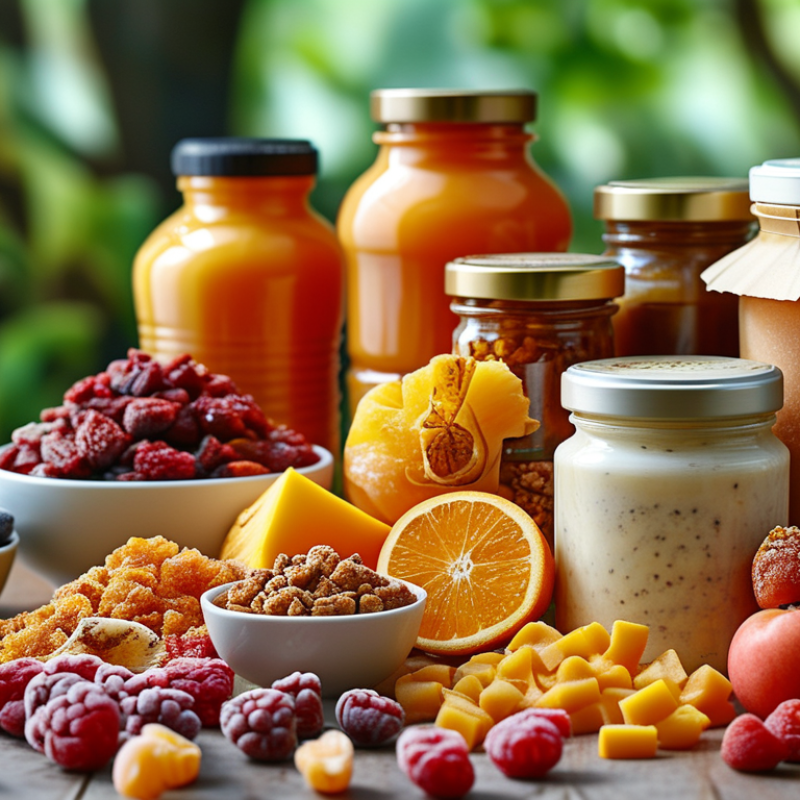
Understanding Freeze-Dried Foods: Benefits and Uses
Freeze-dried foods have become increasingly popular due to their unique preservation method. They retain most of the nutrients and flavors of fresh foods. According to a report by the USDA, freeze-dried fruits can have up to 90% of their original nutrients, making them a great option for health-conscious consumers. This nutrient density is essential for those seeking a balance of convenience and health in their diets.
In addition to nutrition, freeze-dried items are incredibly versatile. They can be used in meals, snacks, or even as ingredients in gourmet cooking. A study from the National Institute of Food and Agriculture indicates that freeze-dried foods can have a shelf life of 25 to 30 years. This long shelf life makes them ideal for emergency preparedness or long-term storage. However, not all freeze-dried foods are created equal. Some products may lack flavor or texture compared to their fresh counterparts. This raises questions about quality control in the industry.
Understanding your needs is crucial when choosing freeze-dried foods. If you're an outdoor enthusiast, you might prioritize weight and packability. Alternatively, if you cook at home, flavor and variety could be more important. Be cautious and read labels carefully; some products may contain added sugars or preservatives. Reflecting on these aspects can lead to better choices tailored to your lifestyle.
Evaluating Nutritional Value of Freeze-Dried Items
When evaluating the nutritional value of freeze-dried items, consider several key aspects. Freeze-drying preserves the nutrients in food by removing moisture, which can be essential for long-term storage. According to a report by the USDA, many freeze-dried fruits retain 90-95% of their original nutrients. This high retention rate is crucial for maintaining a balanced diet during emergencies or outdoor activities.
However, not all freeze-dried items are created equal. Some may contain added sugars or preservatives, which can diminish their nutritional profile. A study from the Journal of Food Science highlighted that freeze-dried vegetables often lose specific vitamins. For instance, vitamin C can degrade during processing. It’s important to read labels carefully. Look for products that highlight minimal processing and natural ingredients.
While freeze-dried items can be convenient, the taste and texture may not always meet expectations. A common feedback is that freeze-dried meals can be bland or lack the freshness of their non-dehydrated counterparts. This emphasizes the need for thoughtful selection to ensure that nutritional needs are met while also enjoying the meals you consume.
Evaluating Nutritional Value of Freeze-Dried Items
Assessing Shelf Life and Storage Requirements
When selecting freeze-dried items, understanding shelf life is crucial. Many products can last 25 years or more if stored correctly. This longevity is a significant advantage for emergency preparedness and long-term storage. However, not all freeze-dried foods share the same shelf life. Check packaging for specifics and make informed choices based on your needs.
Storage requirements vary as well. Keep freeze-dried items in a cool, dry place. Light and humidity can compromise quality over time. Airtight containers help maintain freshness. It’s essential to monitor conditions regularly. You might find that some foods lose flavor or nutritional value faster than anticipated.
Tips for choosing the right items: First, prioritize nutrient-rich foods. Vegetables and proteins are often best. Secondly, consider the variety. A diverse stock can keep meals exciting. Lastly, remember to check expiration dates. Some items may surprise you with their longevity, while others fade quickly.
Identifying Personal Preferences and Dietary Needs
When choosing freeze-dried items, understanding your personal preferences and dietary needs is essential. Studies show that dietary restrictions affect over 30% of the population. Whether it's gluten-free, vegan, or low-sodium, identifying these needs can guide your selections.
Taste is crucial. Freeze-dried fruits retain their flavor, but the experience can vary. Some may find certain items overly sweet or bland. Consider mixing different flavors to enhance your meals. Look for options that provide diverse nutrients. Research indicates that a balanced diet supports better mental health and energy levels.
Tips: Experiment with small quantities before committing. This way, you can discover what you enjoy. Always read nutrition labels. Some freeze-dried items can be high in sodium or sugar, which might not fit your diet. Reflect on what works for you and learn through the process. Personal exploration can lead to unexpected culinary delights.
How to Choose the Best Freeze Dried Items for Your Needs? - Identifying Personal Preferences and Dietary Needs
| Item | Nutritional Benefits | Dietary Restrictions | Flavor Profile | Ideal Uses |
| Freeze Dried Strawberries | High in Vitamin C, Antioxidants | Gluten-Free, Vegan | Sweet, Fruity | Snacking, Baking, Cereals |
| Freeze Dried Chicken | High Protein, Low Fat | Paleo, Keto | Savory, Umami | Soups, Salads, Main Dishes |
| Freeze Dried Vegetables (Mixed) | Rich in Fiber, Vitamins A & C | Gluten-Free, Vegan, Low Carb | Earthy, Fresh | Stir-fries, Casseroles, Side Dishes |
| Freeze Dried Apple Slices | High in Fiber, Vitamin C | Gluten-Free, Vegan | Sweet, Tart | Snacking, Baking, Trail Mix |
| Freeze Dried Beef | High Protein, Iron | Paleo, Keto | Savory, Rich | Stews, Sandwiches, Tacos |
Comparing Brand Options and Product Reviews
When selecting freeze-dried items, it's essential to consider various brands and their offerings. Not all brands are created equal. Some have established a reputation for quality and reliability. Look for brands that provide detailed information about their sourcing and processing methods. Transparency speaks volumes about a company’s commitment to quality.
Product reviews can be a game-changer in this process. Reading what others have experienced with specific freeze-dried items helps inform your choices. Look for comments on flavor, texture, and packaging. Note the key concerns. Some users might mention that certain items weren't as flavorful as expected. This feedback can guide your selection. More importantly, pay attention to consistency in the reviews. If multiple reviewers mention similar issues, that’s a red flag worth considering.
Labels often list nutritional information, but it’s crucial to judge the serving sizes and ingredients. Some products might appear healthy but have added sugars or preservatives. Investigate beyond the surface. Evaluating competing options makes the decision clearer. Sometimes, the best choice comes down to personal preference and specific needs. Embrace the trial-and-error process, as it often leads to discovering what truly satisfies you.