
Top 10 Health Benefits of Canned Fish You Need to Know About
Canned fish has gained recognition as a staple in many households, not only for its convenience but also for its impressive health benefits. According to the Global Seafood Market report by Market Research Future, the canned fish industry is expected to witness substantial growth, reaching a market value of approximately USD 20 billion by 2025. This surge can be attributed to the rising awareness of the nutritional advantages associated with canned fish, which is packed with essential nutrients, including omega-3 fatty acids, protein, and vital vitamins and minerals.
The consumption of canned fish is not only a practical choice for busy lifestyles but also supports heart health, brain function, and overall well-being. A study published in the Journal of Nutrition highlights that diets rich in omega-3 fatty acids, often found in canned fish, can significantly reduce the risk of cardiovascular diseases and enhance cognitive performance. Furthermore, canned fish provides an accessible source of high-quality protein, making it a valuable addition to various dietary preferences, including those of busy professionals and families seeking quick, nutritious meal options. By exploring the top health benefits of canned fish, we uncover how this economical food option can contribute to a healthier lifestyle and promote long-term wellness.

Health Benefits of Canned Fish: An Overview of Nutritional Value
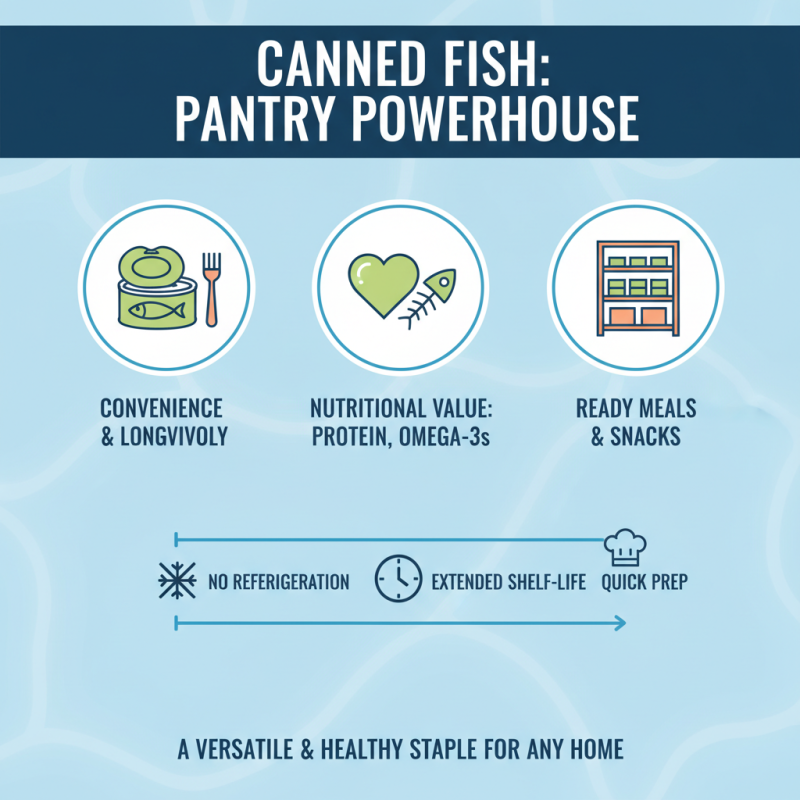
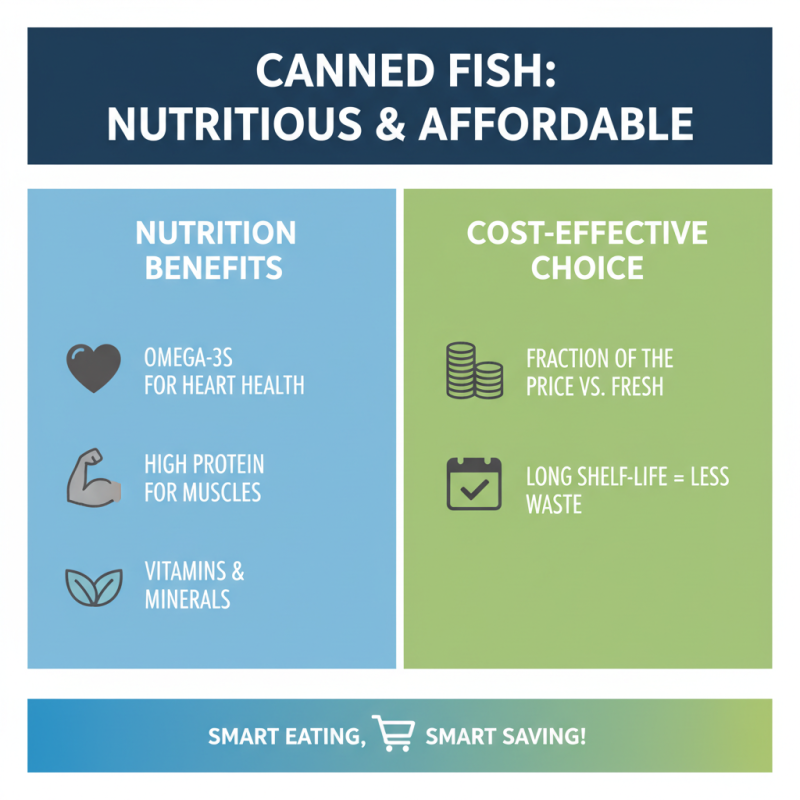
Canned fish offers a convenient and nutrient-dense option that packs a punch in terms of health benefits. Rich in omega-3 fatty acids, canned fish supports cardiovascular health by reducing the risk of heart disease, as indicated by research from the American Heart Association. This omega-3 content also contributes to improved brain function, showcasing its potential in reducing the risk of cognitive decline in older adults. Furthermore, canned fish is a significant source of protein, which is essential for maintaining muscle mass and overall body function, particularly in those leading an active lifestyle.
In addition to its omega-3s, canned fish is also a great source of essential vitamins and minerals. Many varieties are loaded with vitamin D, calcium, and selenium, all of which play a crucial role in bone health and immune function. According to the USDA, consuming just one can of sardines can provide nearly 350 milligrams of calcium, making it an excellent food choice for those looking to strengthen their bones without excessive caloric intake.
**Tips**: To maximize the health benefits of canned fish, choose options packed in water or olive oil rather than sauces that may add unnecessary calories and sodium. Consider incorporating canned fish into salads, pastas, or sandwiches for a quick and nutritious meal boost. For those worried about mercury levels, selecting smaller fish like sardines and mackerel can help mitigate this risk while still providing essential nutrients.
Top 10 Health Benefits of Canned Fish You Need to Know About
| Health Benefit | Description | Nutritional Value (per 100g) |
|---|---|---|
| Rich in Omega-3 Fatty Acids | Supports heart health and reduces inflammation. | Average 1,000 - 2,500 mg |
| High-Quality Protein | Essential for muscle maintenance and repair. | 20 - 25g |
| Rich in Vitamin D | Important for bone health and immune function. | 200 - 600 IU |
| Low in Calories | Great choice for weight management. | 100 - 150 calories |
| Source of Selenium | Antioxidant properties that support overall health. | 40 - 60 mcg |
| Supports Brain Health | Omega-3s are linked to improved cognitive function. | Varies with type of fish |
| Convenient & Ready to Eat | Easy to incorporate into various meals. | N/A |
| Supports Healthy Skin | Fatty acids can improve skin hydration and elasticity. | N/A |
| Budget-Friendly | Cost-effective source of high-quality protein. | N/A |
| Variety of Flavors | Available in many types and flavors to suit preferences. | N/A |
Related Posts
-

Unlocking the Ocean's Secrets: A Guide to the Best Tinned Seafood You Need to Try Today!
-

Top 10 Health Benefits of Canned Mackerel You Need to Know
-

2025's Top 5 Canned Fish Subscriptions: Sustainable Choices for Health and Flavor
-

What is the Best Way to Find Fresh Sardines Near Me? A Comprehensive Guide
-

The Sustainable Rise of Tinned Fish Companies: A Deep Dive into Ocean-Friendly Eating
-

10 Essential Tips for Choosing the Best Tinned Fish Company for Your Pantry