Why Are Sardines Nutrient Dense for Your Health?
Sardines have gained attention in recent years for their impressive nutrient density. According to the USDA, these small fish are high in omega-3 fatty acids, protein, and essential vitamins. A single serving of sardines can provide over 200% of the daily requirement for vitamin B12. Dr. Emily Wu, a noted nutrition expert, stated, "Sardines nutrition offers a compact source of vital nutrients that many diets lack."
Incorporating sardines into your meals may help bridge nutritional gaps. Many people overlook these fish due to their size. Yet, they are an economical choice. A report by the Global Nutrition Coalition highlights that sardines are not only nutrient-rich but also environmentally sustainable. They can be a solution for those seeking healthier options.
Despite their benefits, some consumers express concerns about the taste and preparation. It's essential to understand that sardines can be versatile in cooking. With creativity, they can become a delightful addition to various dishes. As we explore sardines nutrition, we uncover both their advantages and the barriers to their broader acceptance.

The Nutritional Profile of Sardines: An Overview
Sardines are a remarkable source of nutrition. These small fish are packed with essential vitamins and minerals. A 3.75-ounce serving of sardines contains about 23 grams of protein. This protein supports muscle growth and repair. In addition, sardines are rich in omega-3 fatty acids, which are beneficial for heart health.
The nutritional profile of sardines includes high levels of vitamin B12. This vitamin is crucial for energy production and nerve function. Sardines also provide substantial amounts of vitamin D, important for maintaining strong bones. Moreover, they are a good source of calcium. This nutrient helps to strengthen teeth and bones.
People might overlook sardines due to their small size or strong flavor. However, they can be versatile in recipes. Whether in salads, pasta, or on toast, they add great taste and nourishment. So why not explore new ways to incorporate sardines into your diet? They may surprise you and your taste buds.
Essential Vitamins and Minerals Found in Sardines
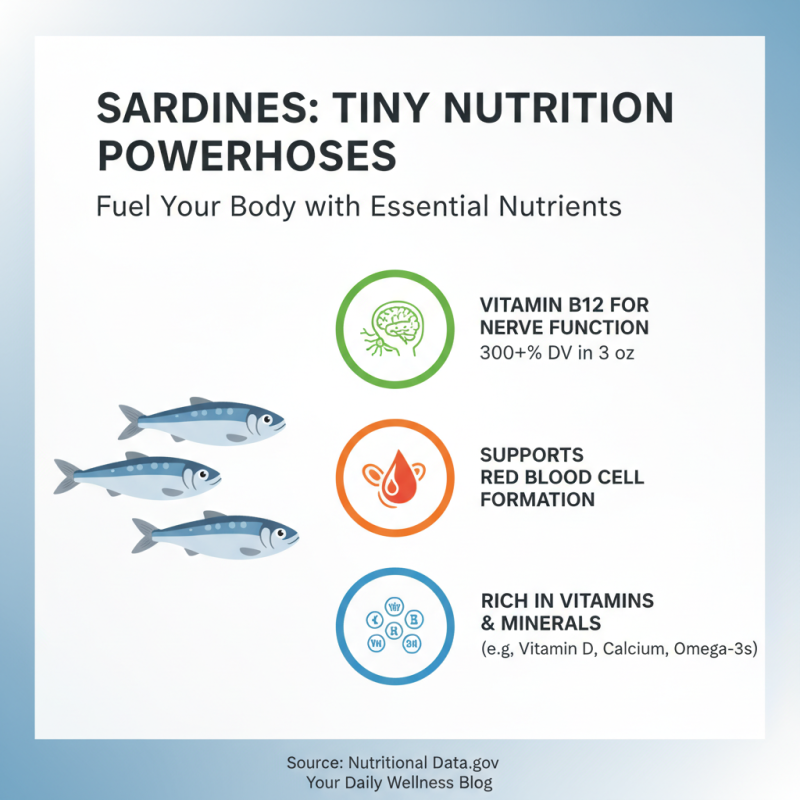
Sardines are tiny powerhouses of nutrition. They are packed with essential vitamins and minerals. A single serving provides a wealth of nutrients that support overall health. For example, sardines are rich in vitamin B12, which is crucial for nerve function. Just three ounces can offer over 300% of the daily requirement. This vitamin aids in red blood cell formation as well.
Moreover, sardines contain high levels of omega-3 fatty acids. These healthy fats are vital for heart health. They can reduce inflammation and improve brain function. Each serving also provides a significant dose of vitamin D. This vitamin is important for bone health and immune system support. Inadequate vitamin D can lead to various health issues. Many people overlook the importance of this vitamin.
Iron and calcium are also present in sardines. Iron is vital for transporting oxygen in the blood, while calcium promotes strong bones. Surprisingly, people often misjudge the nutritional value of small fish. It’s essential to reflect on how we view food. Small changes, like incorporating sardines, can enhance our diets significantly. Choosing nutrient-dense foods can be a simple yet profound step in achieving better health.
Health Benefits Associated with Consuming Sardines
Sardines are tiny powerhouses of nutrition. These small fish are rich in omega-3 fatty acids. Research shows that omega-3s can reduce heart disease risk by nearly 30%. Sardines also contain high levels of vitamin B12. Just a single serving can provide over 300% of the daily recommended intake. This vitamin is vital for brain health and energy production.
Moreover, sardines are loaded with calcium. They offer about 35% of the daily value in one serving. Strong bones and teeth are supported by this mineral. Sardines also contain vitamin D, which aids calcium absorption. This is crucial for those who may not get enough sunlight.
Sustainability is another consideration. Sardines are often caught in eco-friendly ways. This makes them a better choice for the environment. However, sourcing can vary, and sometimes fish stocks are overfished. It's essential to know where your food comes from. Eating sardines comes with health benefits, but choices matter.
Sardines as a Source of Omega-3 Fatty Acids
Sardines are small, oily fish rich in nutrients. They are an excellent source of omega-3 fatty acids, which are essential for heart health. Omega-3s can reduce inflammation and lower blood pressure. Eating sardines can improve cholesterol levels, promoting cardiovascular wellness.
Many people overlook sardines. Some find their taste overwhelming or the texture unappealing. However, they can be a delicious addition to various dishes. Try them in salads, pastas, or even on toast. A simple dish can enhance their flavor while providing health benefits. Sardines also contain vitamin D and calcium, boosting bone health.
Incorporating sardines into your diet is simple. They are affordable and available canned. They require minimal preparation. It’s surprising how a small fish can pack such a nutritional punch. But not everyone likes fish. Experimenting is key. Some might need to adjust their palate. Embracing new foods can lead to better health choices.
Tips for Incorporating Sardines into Your Diet
Sardines are an excellent source of nutrients. They are rich in omega-3 fatty acids, proteins, vitamins, and minerals. Incorporating sardines into your diet can enhance your nutrient intake significantly. According to the USDA, a typical serving of sardines (about 100 grams) provides over 200% of the daily recommended intake of vitamin B12 and substantial omega-3s, which are essential for heart health.
To add sardines to your meals, consider a few creative ideas. Toss them in a salad with leafy greens and a zesty dressing to enhance the flavor. You can also mash them on whole-grain toast with avocado for a quick breakfast or snack. Experimenting with different spices or herbs can balance their distinct taste. While some might find sardines too strong at first, gradually increasing their presence in your meals can make them more enjoyable.
For those who love convenience, canned sardines are a great option. They have a long shelf life and maintain their nutrient density. Pair them with pasta or rice for a hearty meal. Keep in mind that not everyone will appreciate the strong flavor of sardines right away. It might take time to acquire the taste. Embrace the process of adjusting your palate.
Health Benefits of Sardines