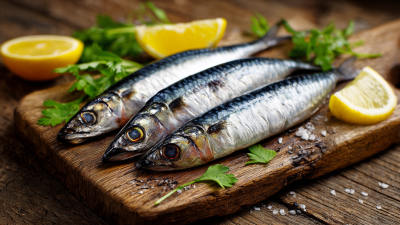
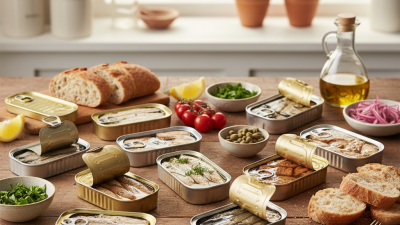
What is Smoked Sardines and How are They Made?
Smoked sardines are a delicacy enjoyed worldwide. These small, oily fish are rich in omega-3 fatty acids, making them a nutritious choice. According to industry reports, the demand for smoked fish has grown significantly over recent years. In 2021 alone, the global smoked seafood market was valued at approximately $2.4 billion.
The process of making smoked sardines involves both artistry and technique. Fish are first prepared and marinated before being subjected to a smoking process. This not only preserves the sardines but also imparts intense flavors. However, achieving the perfect balance can be challenging. Smoke can overwhelm their delicate taste if not monitored closely.
The popularity of smoked sardines presents both opportunities and challenges for manufacturers. While consumer interest is on the rise, producers must ensure sustainability. Overfishing can deplete sardine stocks, leading to negative environmental impacts. Reflecting on these factors is crucial as the industry continues to evolve.
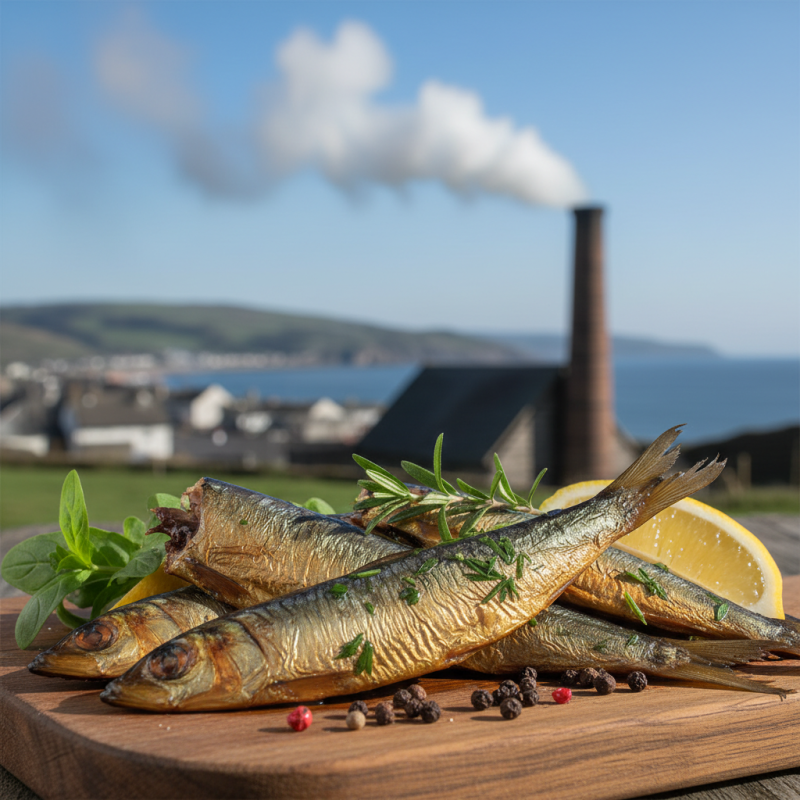
What are Smoked Sardines and Their Nutritional Benefits?
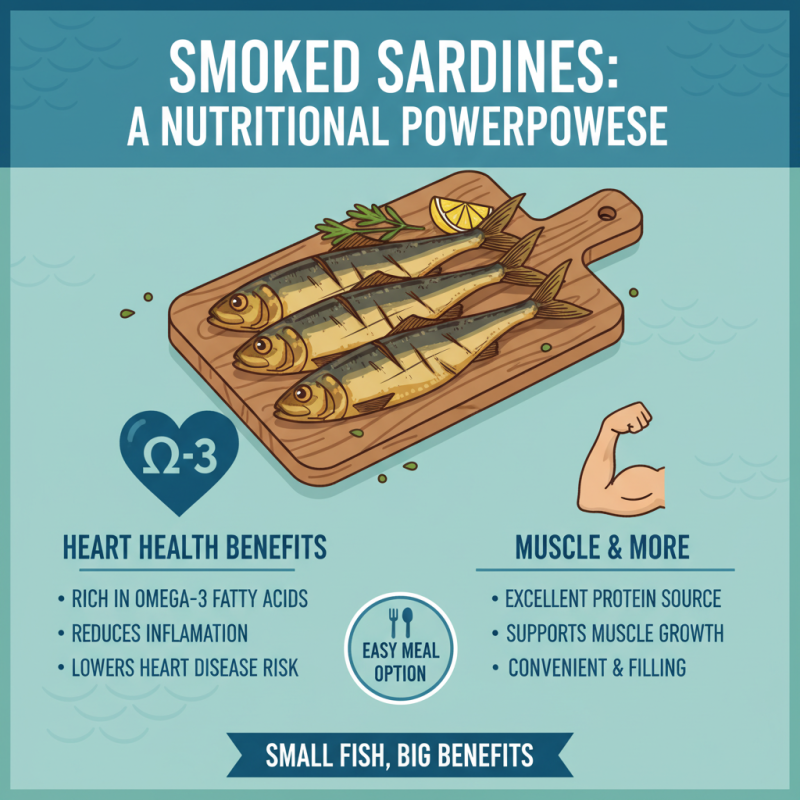
Smoked sardines are a delight, packed with flavor and nutrition. These small fish are rich in omega-3 fatty acids, which are essential for heart health. Omega-3 helps reduce inflammation and lower the risk of heart disease. Sardines are also an excellent source of protein, offering a convenient option for those seeking healthy meals. Just a small serving can meet daily protein needs.
In addition to omega-3s, smoked sardines provide vital nutrients. They contain vitamin B12, crucial for energy and brain function. Calcium and vitamin D support bone health, making sardines beneficial for everyone. However, it’s important to consider sodium levels, as some smoked varieties can be high in salt.
Cooking techniques play a key role in nutrition. The smoking process can make them less perishable but may also alter some nutrients. Choosing high-quality, sustainably sourced sardines can mitigate this concern. Enjoy them with whole grain bread or add them to salads for a nutritious boost. Experimentation in preparation can reveal even more delicious combinations.
The Process of Preparing Fresh Sardines for Smoking
Preparing fresh sardines for smoking is an art. It begins with sourcing high-quality sardines. These fish should be firm and vibrant, reflecting their freshness. After bringing them home, they require careful cleaning. Rinsing and gutting them is essential to remove any unwanted parts.
Next, the sardines must be brined. A simple mixture of salt and water usually suffices. This process can last anywhere from a few hours to overnight. Brining enhances flavor and helps preserve the fish. It is a step that should not be rushed. You might find that the flavor varies based on the brining duration.
Once ready, the sardines can be drained and dried. It's important to remove excess moisture. A key step is choosing the right wood for smoking. Each type imparts a unique flavor. Hickory, oak, or applewood are popular choices. The smoking process can take hours. It's crucial to maintain the right temperature. Too high, and they can dry out. This part requires attention and patience. The finished product should have a rich flavor. Each bite tells a story of the time invested in the process.
Different Methods of Smoking Sardines: Hot vs. Cold Smoking
Sardines have been enjoyed for centuries, particularly when smoked. The smoking process not only enhances the flavor but also preserves the fish. There are two primary methods: hot smoking and cold smoking. Each method yields different textures and tastes.
Hot smoking involves cooking the fish while it smokes. The process typically takes a few hours. It results in a flaky, tender texture. The fish absorbs moisture and flavor from the smoke. This method can be quicker but may lose some subtlety in flavor. Many hobbyists enjoy experimenting with this technique.
Cold smoking, on the other hand, is a longer process. The fish is cured first and then exposed to smoke at low temperatures. This method can take days and requires careful temperature control. The resulting sardines are rich in smoky flavors and have a firmer texture. However, this method is more challenging. It may not achieve the desired results without practice. Each method has its pros and cons, encouraging enthusiasts to reflect on their techniques and outcomes.
Culinary Uses and Popular Dishes Featuring Smoked Sardines
Smoked sardines are a flavorful addition to many dishes. Their rich, smoky taste complements various ingredients. A popular way to enjoy them is in salads. Imagine a fresh green salad topped with smoked sardines, cherry tomatoes, and a zesty vinaigrette. The contrast of flavors is delightful.
They also shine in Mediterranean dishes. A smoked sardine pasta, brimming with garlic and olive oil, creates a comforting meal. The sardines add depth, making it satisfying yet simple. Toasting bread and layering smoked sardines, capers, and a squeeze of lemon can elevate any snack. It’s quick and delicious.
However, balancing the strong flavor of smoked sardines can be tricky. Overpowering other ingredients can lead to a less enjoyable dish. Experimenting with proportions is essential. Some may even feel the need to add creaminess to mellow the intensity. Finding the right mix takes practice. Embrace the journey of flavors and don't shy away from mistakes.
What is Smoked Sardines and How are They Made? - Culinary Uses and Popular Dishes Featuring Smoked Sardines
| Aspect |
Details |
| Definition |
Smoked sardines are small fish that are preserved through smoking, which enhances their flavor. |
| Types of Sardines |
Common types include European sardines, Pacific sardines, and brisling sardines. |
| Smoking Process |
Typically involves curing the fish with salt, then exposing them to smoke from burning wood. |
| Storage |
Smoked sardines can be stored in oil or water to prolong their shelf life. |
| Nutritional Benefits |
Rich in omega-3 fatty acids, protein, and minerals like calcium and selenium. |
| Popular Culinary Uses |
Used in salads, pasta dishes, sandwiches, or served on crackers. |
| Dishes Featuring Smoked Sardines |
Examples include smoked sardine pâté, Mediterranean salads, and tapas. |
| Pairings |
Goes well with citrus, garlic, fresh herbs, and crusty bread. |
Storage and Shelf Life of Smoked Sardines: Tips and Best Practices
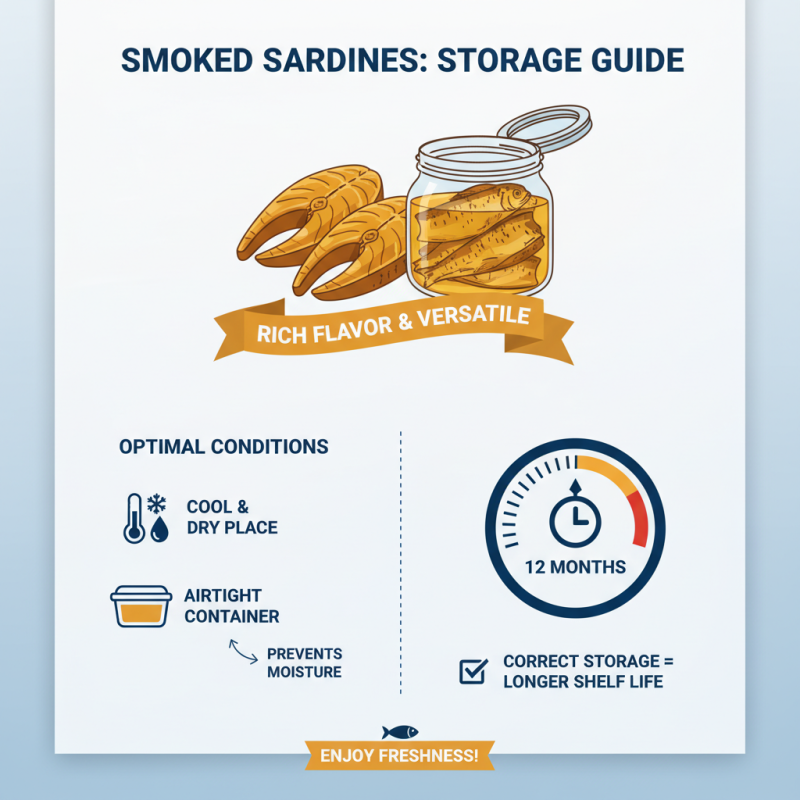
Smoked sardines are popular for their rich flavor and versatility. Their shelf life is influenced by how they're stored. Proper storage is essential to maintain freshness. Ideally, keep smoked sardines in a cool, dry place. An airtight container is best to prevent exposure to moisture. Research indicates that when stored correctly, smoked sardines can last up to 12 months.
Refrigeration can further extend their shelf life. It’s recommended to consume them within 3-5 days of opening if stored in the fridge. Many people overlook this detail, leading to potential spoilage. Temperature fluctuations can also impact quality. An unsteady environment might cause oils to break down. This is why maintaining consistent conditions is vital.
It’s important to check for signs of spoilage before consuming. A change in color or smell may indicate that the sardines are no longer safe to eat. Beyond visual checks, one should consider the texture. If they feel excessively oily or sticky, it's time to reconsider. Overall, knowing how to store smoked sardines can greatly affect their taste and safety.