10 Tips for Choosing the Best Tinned Fish Company for Your Pantry
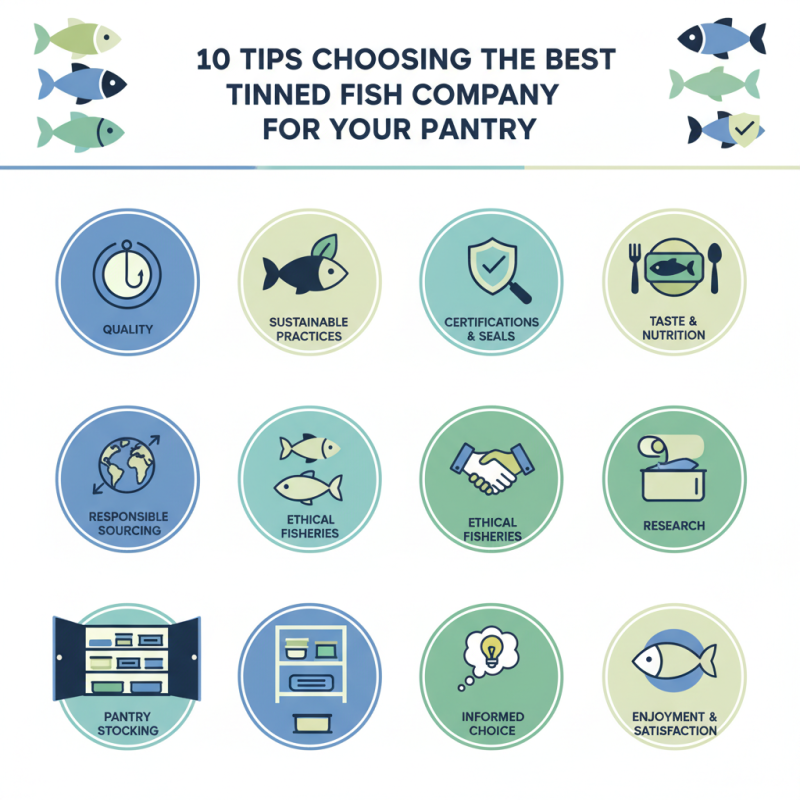
Choosing the right tinned fish company can be a daunting task. With countless brands on the market, finding one that meets your needs is essential. Quality is crucial in choosing a tinned fish company, as it directly impacts taste and nutrition.
Look for brands that prioritize sustainable practices. Responsible sourcing should be a top consideration. Products should not only taste good but also come from ethical fisheries. Don't forget to check for certifications and quality seals.
Some companies may not live up to their promises. Researching before you buy can save you from disappointment. The right choice can enhance your meals, while a poor one might lead to regrets. Be proactive in your selection to ensure your pantry is filled with the best options.
Understanding Tinned Fish: Types and Benefits
When it comes to tinned fish, understanding the types and benefits is crucial. Tinned fish includes varieties like sardines, mackerel, and anchovies. Each offers unique flavors and textures. Sardines are often rich in omega-3 fatty acids. They can enhance any meal with their strong taste. Mackerel has a buttery quality that pairs well with pasta or salads. Anchovies, on the other hand, bring a savory punch to sauces and dressings.
Choosing the right type depends on your culinary needs. Tinned fish is convenient but varies in quality. Some brands use sustainable practices, while others may not. Check for certifications to make informed decisions. The processing method also matters. Fish packed in olive oil tends to be more flavorful than those in water. However, some people prefer the lighter taste.
Consider the nutritional profile, too. Not all tinned fish is equal. Some might contain high sodium levels. Reading labels can help you find healthier options. Keep in mind your taste preferences might change over time. Experimenting with different types can lead to surprising discoveries. Selecting tinned fish should be a thoughtful choice for your pantry.
Evaluating Sustainability Practices of Tinned Fish Companies
When choosing a tinned fish company, sustainability practices should be a priority. Overfishing remains a significant threat, affecting fish populations worldwide. According to a report by the Food and Agriculture Organization (FAO), almost 34% of global fish stocks are overexploited. This highlights the necessity of finding companies that commit to sustainable sourcing.
Look for companies that obtain certifications from credible organizations. These certifications often indicate responsible fishing practices. The Marine Stewardship Council (MSC) is one such body. However, certification alone doesn't guarantee a company’s sustainability. Transparency in supply chains is equally vital. Companies should disclose their sourcing information to gain consumer trust.
Moreover, consider the environmental impact of packaging. Many tinned fish brands use materials that are not recyclable. This can contribute to waste and pollution. An estimated 90% of plastic waste in oceans comes from land, according to recent studies. Evaluating a company’s packaging strategy is essential. Reflecting on these aspects helps make informed choices, supporting brands prioritizing our planet’s health.
Key Ingredients to Look for in Quality Tinned Fish Products
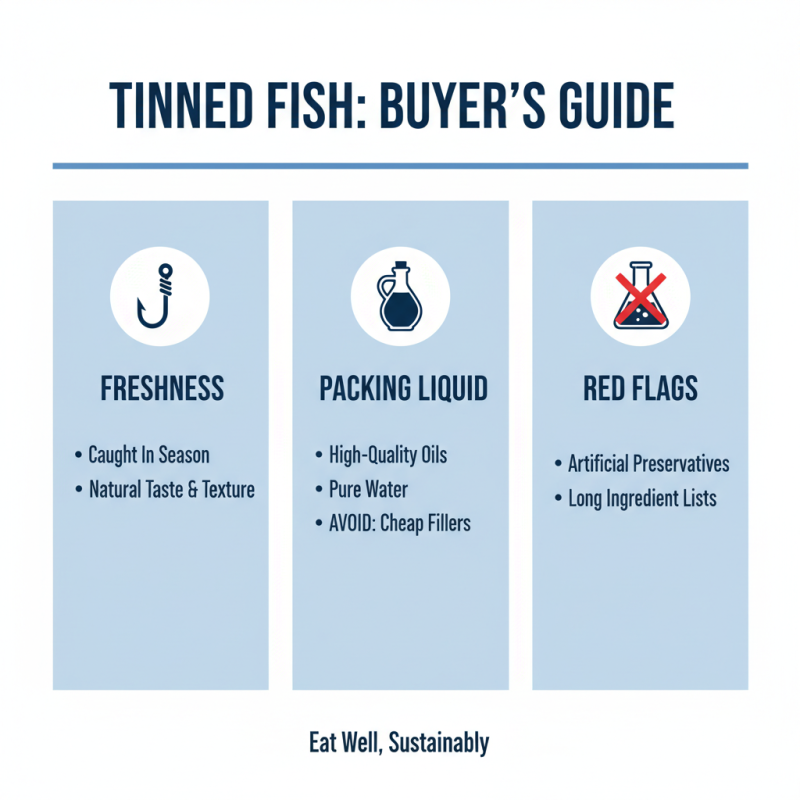
When choosing tinned fish, focus on the key ingredients. Freshness is crucial. Look for products that ensure fish is caught in-season. The best tinned fish retains natural taste and texture. You want fish packed in high-quality oils or water. Cheap fillers can ruin the experience. If the label lists preservatives, consider it a red flag.
Check for added flavors and ingredients. Simple is better. A dash of salt may enhance flavor, but avoid long lists. If you see artificial ingredients, think twice. Quality fish should stand on its own. Transparency matters too. Look for brands that disclose their sourcing practices. This reflects their commitment to quality.
Sustainability is another factor. Ensure that the company uses eco-friendly fishing methods. Overfishing is an ongoing problem; we should support responsible choices. Reading reviews can provide insights. Community feedback often highlights issues you may not notice. If a brand uses vague language, it's often a warning. Take the time to make informed choices.
Assessing the Brand's Reputation and Customer Reviews
When selecting a tinned fish company, brand reputation and customer reviews are crucial. Recent studies show that 83% of consumers trust online reviews. This statistic highlights the power of peer opinions in today’s marketplace. Companies with consistent positive feedback tend to maintain a loyal customer base.
Consider how a brand communicates with its customers. Engaging content and responsive customer service often lead to a good reputation. The 2022 Seafood Report indicated that brands with a solid online presence saw a 15% increase in sales.
However, not all reviews are authentic. Some may be overly positive or negative. It's essential to look for patterns rather than isolated comments. A single glowing review might not reflect the overall quality. Alternately, a few negative remarks can signal an issue. Scanning through multiple platforms ensures a balanced view.
10 Tips for Choosing the Best Tinned Fish Company for Your Pantry
| Quality of Fish |
Sustainability Practices |
Customer Ratings |
Price Range |
Availability |
| High Quality |
Certified Sustainable |
4.5/5 Stars |
$$$ |
Online & Retail |
| Medium Quality |
Partially Sustainably Sourced |
4.0/5 Stars |
$$ |
Online Only |
| High Quality |
Other Certifications |
4.8/5 Stars |
$$$ |
Retail Only |
| Low Quality |
Not Sustainable |
3.5/5 Stars |
$ |
Limited Availability |
Examining Packaging and Storage Recommendations for Tinned Fish
When assessing tinned fish, the packaging plays a crucial role in quality preservation. Proper packaging can extend shelf life by blocking light and air. Tinned fish stays safe for consumption often up to 5 years if properly stored. Reports indicate that 70% of consumers overlook the importance of checking expiration dates. Understanding storage conditions is equally essential.
Identify the storage suggestions provided by manufacturers. Most recommend a cool, dry place. Those high in oil should be refrigerated post-opening. This simple practice prevents rancidity and maintains flavor. Remember, even the best fish can spoil quickly if not cared for properly.
Tip: Always consider the can's integrity. Look for dents or rust. These can compromise the seal, leading to spoilage or contamination. A well-sealed can ensures quality and freshness.
Some individuals ignore the details on the label. Nutritional information is often packed with useful insights. High omega-3 content may tempt you, but serving size also matters. Focus on both the evident and subtle factors impacting your selection.