Why Choose Canned Fish for Global Wholesale?
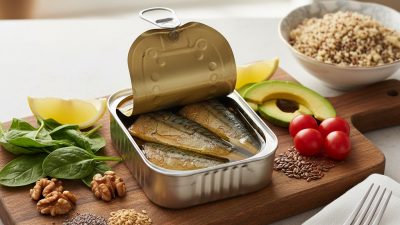
Canned fish offers wholesalers a practical balance between nutrition, shelf stability, and supply flexibility. Unlike fresh seafood, it can travel without continuous refrigeration. This reduces cold-chain pressure across long routes, especially where infrastructure remains uneven. A sealed can also protects the product from light, air, and handling damage. That matters on crowded pallets and busy loading docks.
The opportunity is supported by wider seafood consumption trends. The FAO’s State of World Fisheries and Aquaculture 2024 reported 185 million tonnes of aquatic animal production in 2022. About 89% was used for direct human consumption. This indicates sustained demand for convenient seafood, although production volume alone does not guarantee profitable wholesale sales. Product quality still depends on species, oil or water medium, can size, and processing controls. Small details matter, including clean pull-tabs and readable lot codes.
Canned fish also supports predictable inventory planning. Wholesalers can serve supermarkets, foodservice operators, emergency suppliers, and online retailers with fewer short-dated products. The FAO report highlights the importance of resilient aquatic food systems and responsible resource management. Buyers should therefore examine traceability, fishing methods, supplier audits, and documented food-safety systems. Certifications can help, but they are not a complete answer. A certificate cannot replace careful supplier verification.
Market forecasts differ widely because analysts define “canned seafood” differently. That uncertainty deserves attention. Still, long shelf life, portion convenience, and lower storage complexity make canned fish a credible category for international wholesale growth. The strongest strategy combines competitive pricing with transparent sourcing and consistent taste. That is harder than it sounds.
Global Canned Fish Demand: FAO Reports 185 Million Tonnes of Aquatic Foods in 2022
Why Choose Canned Fish for Global Wholesale?
Global Canned Fish Demand: FAO Reports 185 Million Tonnes of Aquatic Foods in 2022
FAO’s State of World Fisheries and Aquaculture 2024 reported 185.4 million tonnes of aquatic animals produced in 2022. This volume shows the scale behind global seafood demand. Aquaculture supplied more than half of that production, while capture fisheries remained essential. For wholesalers, canned fish offers practical access to this large supply system. Heat processing provides long shelf life without constant refrigeration. That matters when products travel through ports, warehouses, and smaller retail markets.
The OECD-FAO Agricultural Outlook 2024-2033 also identifies aquaculture growth as a major factor shaping future aquatic-food supply. Canned products can support steady purchasing during seasonal shortages. They also reduce pressure on buyers who need predictable inventory. Still, canned fish is not automatically the better choice. Species, oil or water packing, can size, sodium levels, and traceability affect real value. A lower price may hide weaker quality control. That mistake happens.
Tips: Request catch-area records, processing dates, ingredient declarations, and laboratory reports. Compare drained weight, not only net weight. Check carton strength for humid storage. Ask about temperature control, even for shelf-stable goods. A spreadsheet helps, but it cannot fully predict local taste. Test a small shipment before committing to large volumes.
Why Choose Canned Fish for Global Wholesale?
Global aquatic animal production reached 185.4 million tonnes in 2022, according to the FAO. Aquaculture supplied 94.4 million tonnes, while capture fisheries supplied 91.0 million tonnes.
The large and diversified global supply base supports consistent sourcing for shelf-stable canned fish products, while aquaculture and capture fisheries provide complementary wholesale supply channels.
Source: FAO, The State of World Fisheries and Aquaculture 2024. Figures refer to aquatic animals and exclude algae.
Shelf Stability and Logistics: USDA Guidance Supports 2–5 Years of Quality
Why Choose Canned Fish for Global Wholesale?
Shelf Stability and Logistics: USDA Guidance Supports 2–5 Years of Quality
Canned fish offers wholesalers a practical buffer against long transport times and uneven demand. USDA’s FoodKeeper guidance states that commercially canned low-acid foods can retain best quality for two to five years. High-acid products generally keep quality for 12 to 18 months. These periods describe quality, not an unlimited safety guarantee. Inspect every case for swelling, leaking, rust, or damaged seams.
The logistics advantage is tangible. A sealed can needs no refrigerated container, reducing dependence on continuous cold-chain performance. It can wait in a dry warehouse, travel through a hot port, and remain ready for retail. Still, heat matters. Storage above recommended temperatures may shorten flavor, texture, and nutrient quality. That detail is easy to overlook.
Demand also has scale behind it. FAO’s The State of World Fisheries and Aquaculture 2024 reported about 185 million tonnes of aquatic animals produced globally in 2022. For wholesale planning, canned formats can convert part of that broad supply into stable inventory. Use lot tracking, date rotation, humidity control, and documented receiving checks. Five years sounds reassuring, but it should not replace inspection. USDA FoodKeeper and local food authorities should guide final storage decisions.
Protein Value: USDA Data Shows Canned Tuna Provides About 24g per 100g
Why Choose Canned Fish for Global Wholesale?
Global wholesalers often need protein products with predictable nutrition, storage, and handling. USDA food composition data indicates that canned tuna provides about 24 grams of protein per 100 grams. This figure makes canned tuna a practical option for foodservice, retail, and emergency pantry planning.
Protein supports meal value without requiring refrigeration before opening. A 100-gram drained portion can fit neatly into salads, sandwiches, rice bowls, and prepared meals.
The product is also portion-friendly. That helps buyers plan menus and calculate serving costs.
However, the number is not universal. Species, draining method, packing liquid, and moisture levels can change the final protein content. A careful importer should compare laboratory results, nutrition panels, and USDA reference data. Product specifications matter. They should also check net weight and drained weight separately.
From a sourcing perspective, sealed cans reduce dependence on cold-chain transport.
That can simplify distribution across warm climates and long shipping routes. Still, cans need dry storage and protection from dents, rust, and extreme heat. These details are easy to overlook.
The protein claim sounds simple, but it requires context. About 24 grams per 100 grams is a useful benchmark, not a promise for every shipment. Buyers may need updated testing, especially when suppliers change fish species or packing formulas. There is no perfect shortcut. Reliable purchasing depends on verified data and honest inspection.
Wholesale Range: Tuna, Sardines, Salmon, and Mackerel Serve Diverse Markets
Why Choose Canned Fish for Global Wholesale?
Wholesale Range: Tuna, Sardines, Salmon, and Mackerel Serve Diverse Markets
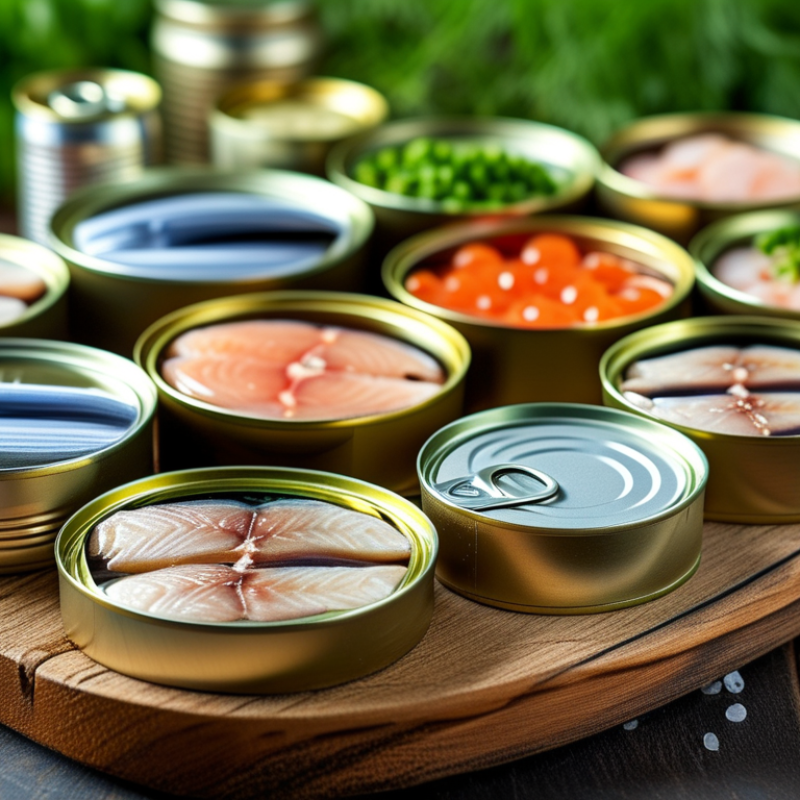
Canned fish gives wholesalers a practical way to serve retailers, food-service buyers, and emergency food programs. Tuna supports sandwiches, salads, and ready meals. Sardines offer smaller portions and strong value. Salmon suits premium shelves, while mackerel brings a richer flavor to everyday cooking. This range helps buyers match different budgets and eating habits.
From a purchasing perspective, shelf-stable products simplify inventory planning. They travel without refrigeration before opening and remain available through seasonal supply changes. Standardized can sizes also make pallet calculations and portion control easier. Buyers should inspect ingredient lists, net weights, production dates, packaging condition, and traceability documents. Small label differences can affect customs clearance and retail acceptance.
Taste expectations vary across markets. Some customers prefer oil-packed fish, while others choose water or sauce. Sodium levels also deserve attention, especially for health-conscious retailers. One range rarely fits every country perfectly. Buyers may focus too heavily on price and overlook flavor preferences, can integrity, or consistent documentation. That choice can create slow-moving stock. Careful sampling and clear supplier communication remain essential before larger orders. Even then, forecasts can be wrong.
Why Choose Canned Fish for Global Wholesale? - Wholesale Range: Tuna, Sardines, Salmon, and Mackerel Serve Diverse Markets
| Fish Category | Common Wholesale Formats | Typical Net Weight Options | Approx. Protein per 100 g | Typical Retail and Foodservice Uses | Key Wholesale Advantages | Important Supply Considerations |
|---|---|---|---|---|---|---|
| Tuna | Solid pack, chunks, flakes, in oil, in water, and easy-open cans | 80 g, 100 g, 160 g, 185 g, 300 g, and 1.7 kg foodservice cans | Approximately 23–26 g, depending on species and packing medium | Sandwiches, salads, pasta, pizza toppings, prepared meals, and catering recipes | Broad consumer recognition, convenient portion sizes, high protein density, and strong suitability for ambient distribution | Species, fishing method, mercury advisories, catch documentation, and sustainability requirements should be checked for each shipment |
| Sardines | Whole, cleaned, skin-on, boneless, in oil, in tomato sauce, and in spring water | 90 g, 120 g, 155 g, sardine-style tins, and larger catering packs | Approximately 20–25 g, depending on species and preparation | Breakfast dishes, salads, toast toppings, rice meals, regional cuisines, and value-focused grocery lines | Typically economical, naturally rich in omega-3 fats, calcium when bones are included, and suitable for smaller retail packs | Species naming and local labeling rules vary by market; can integrity and oil or sauce consistency are important quality checks |
| Salmon | Boneless portions, skinless flakes, traditional cans, pull-tab cans, and foodservice packs | 105 g, 170 g, 213 g, 418 g, and larger institutional formats | Approximately 20–25 g, depending on species and fat content | Salmon cakes, salads, pasta, spreads, sandwiches, meal kits, and premium pantry ranges | Premium positioning, recognizable flavor, high protein content, and strong appeal in health-oriented product ranges | Wild and farmed origins must be clearly identified where required; color, bone content, species, and cold-chain history may affect specifications |
| Mackerel | Whole or fillet pieces, skin-on or skinless, in oil, in brine, in tomato sauce, and smoked-style preparations | 125 g, 155 g, 200 g, 425 g, and foodservice-sized cans | Approximately 19–24 g, depending on species and preparation | Rice dishes, salads, sandwiches, ready meals, traditional cuisine, and affordable protein assortments | Distinctive flavor, high oil content, strong omega-3 profile, and competitive positioning in value and mid-market segments | Freshness at processing is especially important; species identification, histamine controls, oil quality, and odor management should be verified |
Sustainable Sourcing: FAO Data Shows Aquaculture Supplied 51% of Aquatic Foods in 2022
Why Choose Canned Fish for Global Wholesale?
The FAO reported that aquaculture supplied 51% of global aquatic animal production in 2022. This milestone shows how farmed seafood now supports a major share of worldwide demand. For wholesalers, that supply base can improve volume planning and reduce pressure on some wild fish stocks. Yet the figure needs careful reading. Aquaculture systems differ widely in feed use, water management, energy consumption, and local environmental effects.
Canned fish can turn that supply into a stable, transportable product. Sealed cans need no frozen chain during ordinary storage. They can reach ports, warehouses, and smaller retailers with less temperature risk. In practical purchasing work, I would check harvest records, farming methods, traceability documents, ingredient lists, and can-seam quality. Small details matter. A clear lot code helps buyers investigate delays or quality concerns quickly.
Sustainability is not automatic. It requires evidence. Wholesale buyers should request current farm assessments, responsible feed information, labor safeguards, and packaging data. They should also compare species, origin, fishing pressure, and shipment distance. A canned product may reduce food waste, but metal production and transport still create emissions. That contradiction deserves attention. FAO statistics provide strong context, not a complete product verdict. Careful sourcing means asking harder questions before accepting an attractive volume or price.
Related Posts
-
Top 10 Health Benefits of Canned Mackerel You Need to Know
-
10 Essential Tips for Choosing the Best Canned Seafood for Your Meals
-
Top 10 Health Benefits of Canned Fish You Need to Know About
-
Top Canned Seafood Products for Global Buyers in 2026?
-
2025 Top 10 Canned Salmon Brands You Need to Try This Year
-
Top 10 Tinned Fish Brands Available Online Today?